
What Cytogenetic Technologists DoAnalyze chromosomes or chromosome segments found in biological specimens, such as amniotic fluids, bone marrow, solid tumors, and blood to aid in the study, diagnosis, classification, or treatment of inherited or acquired genetic diseases. Conduct analyses through classical cytogenetic, fluorescent in situ hybridization (FISH) or array comparative genome hybridization (aCGH) techniques.
- Arrange and attach chromosomes in numbered pairs on karyotype charts, using standard genetics laboratory practices and nomenclature, to identify normal or abnormal chromosomes.
- Count numbers of chromosomes and identify the structural abnormalities by viewing culture slides through microscopes, light microscopes, or photomicroscopes.
- Examine chromosomes found in biological specimens to detect abnormalities.
- Apply prepared specimen and control to appropriate grid, run instrumentation, and produce analyzable results.
- Select appropriate culturing system or procedure based on specimen type and reason for referral.
Cytogenetic Technologists Education, Salary, and GrowthOnly you can decide how much you need to earn — but knowing what it actually costs to live in your area can help. The Family Budget Calculator can guide you.
Minimum EducationAssociate Degree
Career ProspectsExcellent (Increasing by 5% or more)
Training Time2 to 4 years
Job Openings22,600 Annually
Median Earnings
$71,920 in California
$61,890 Nationally
$0
$25K
$50K
$75K
$100K
$125K
$150K
$175K
$200K
$225K
$250K
Is This Career Right For You?
YOU Like
- Thinking and problem solving
- Using data or completing tasks
- Working with my hands
you value
- Accomplishing things
- Having freedom
- Receiving recognition
you are skilled in
- Active Learning
- Active Listening
- Critical Thinking
- Speaking
- Monitoring
- Reading Comprehension
Go Deeper: Cytogenetic Technologists Explained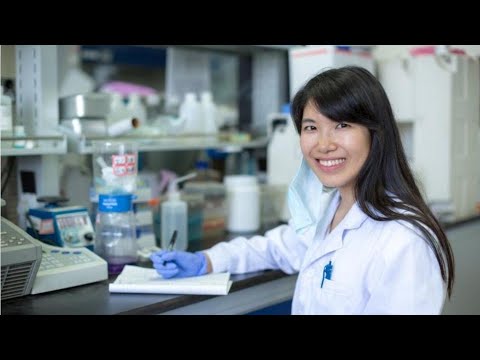
Cytogenetic TechnologistExplore career pathways, key skills, and what each role has to offer.
How Do You Train for This Career?
Learn about the education and training paths that can lead to this career — and what to expect from each one.

Bachelor's DegreeA bachelor's degree typically results in increased knowledge about a variety of academic subjects, specialized knowledge in a focused field of study, and is considered the foundational qualification for many careers.
🎓 College
⏱️ Finish in 4-5+ years

Hybrid CollegeA hybrid college combines online learning with the student support typically offered on college campuses, giving students flexibility and accessibility while still providing a comprehensive educational experience.
🎓 College
⏱️ Finish in 2-5 years
find training near you
Find local programs, apprenticeships, or degrees to start your path.
Enter your location to see training near you
What Is the Healthcare Industry?
HealthcareThe primary activities of this group involve delivering medical care and support to patients, including diagnosing illness, treating injuries, administering medication, assisting with daily living activities, and completing corresponding administrative tasks.