
What Ophthalmic Medical Technicians DoAssist ophthalmologists by performing ophthalmic clinical functions. May administer eye exams, administer eye medications, and instruct the patient in care and use of corrective lenses.
- Take and document patients' medical histories.
- Conduct tonometry or tonography tests to measure intraocular pressure.
- Operate ophthalmic equipment, such as autorefractors, phoropters, tomographs, or retinoscopes.
- Take anatomical or functional ocular measurements of the eye or surrounding tissue, such as axial length measurements.
- Measure visual acuity, including near, distance, pinhole, or dynamic visual acuity, using appropriate tests.
Ophthalmic Medical Technicians Education, Salary, and GrowthOnly you can decide how much you need to earn — but knowing what it actually costs to live in your area can help. The Family Budget Calculator can guide you.
Minimum EducationVocational Training
Career ProspectsExcellent (Increasing by 5% or more)
Training Time1 to 2 years
Job Openings12,500 Annually
Median Earnings
$47,940 in California
$44,080 Nationally
$0
$25K
$50K
$75K
$100K
$125K
$150K
$175K
$200K
$225K
$250K
Real Talk Reel
We've curated a playlist for you to get a glimpse into a day in the life of this career.
@natapinaa
@mmmeggy1
@natapinaa
Is This Career Right For You?
YOU Like
- Relating with or serving others
- Using data or completing tasks
- Working with my hands
you value
- Accomplishing things
- Having support
- Personal relationships
you are skilled in
- Active Listening
- Critical Thinking
- Service Orientation
- Social Perceptiveness
- Monitoring
Go Deeper: Ophthalmic Medical Technicians Explained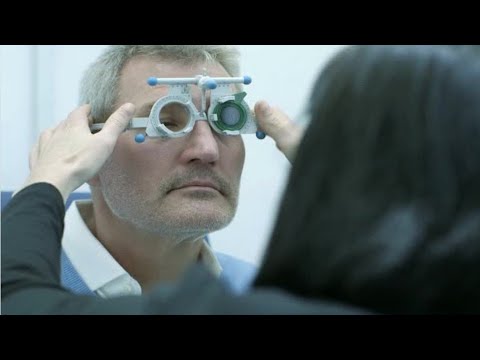
Ophthalmic Medical TechnicianExplore career pathways, key skills, and what each role has to offer.
How Do You Train for This Career?
Learn about the education and training paths that can lead to this career — and what to expect from each one.

Vocational SchoolA vocational school typically equips students with specialized skills and practical training in specific trades or occupations, enhancing their employability and providing direct pathways to relevant careers.
🎓 Skills-Focused
⏱️ Finish in 6 months - 2 years

Associate's DegreeAn associate's degree typically provides graduates with foundational knowledge and skills for entry-level jobs in the graduate's industry, or serves as a stepping stone towards further education.
🎓 College
⏱️ Finish in 2-3 years

Bachelor's DegreeA bachelor's degree typically results in increased knowledge about a variety of academic subjects, specialized knowledge in a focused field of study, and is considered the foundational qualification for many careers.
🎓 College
⏱️ Finish in 4-5+ years
find training near you
Find local programs, apprenticeships, or degrees to start your path.
Enter your location to see training near you
What Is the Healthcare Industry?
HealthcareThe primary activities of this group involve delivering medical care and support to patients, including diagnosing illness, treating injuries, administering medication, assisting with daily living activities, and completing corresponding administrative tasks.