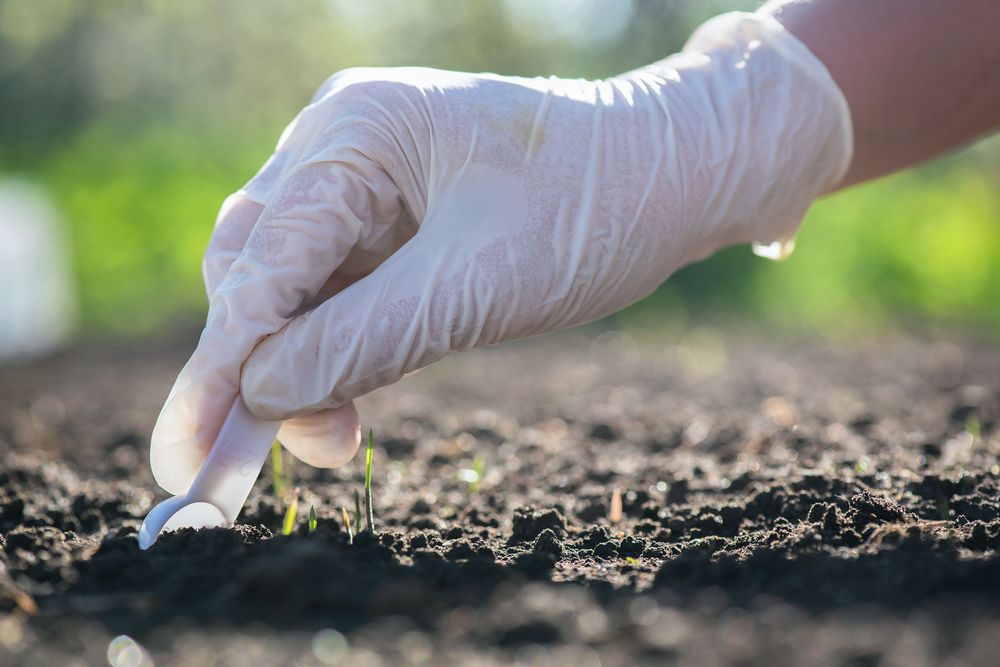
What Soil and Plant Scientists DoConduct research in breeding, physiology, production, yield, and management of crops and agricultural plants or trees, shrubs, and nursery stock, their growth in soils, and control of pests; or study the chemical, physical, biological, and mineralogical composition of soils as they relate to plant or crop growth. May classify and map soils and investigate effects of alternative practices on soil and crop productivity.
- Communicate research or project results to other professionals or the public or teach related courses, seminars, or workshops.
- Develop methods of conserving or managing soil that can be applied by farmers or forestry companies.
- Provide information or recommendations to farmers or other landowners regarding ways in which they can best use land, promote plant growth, or avoid or correct problems such as erosion.
- Conduct experiments to develop new or improved varieties of field crops, focusing on characteristics such as yield, quality, disease resistance, nutritional value, or adaptation to specific soils or climates.
- Investigate soil problems or poor water quality to determine sources and effects.
Soil and Plant Scientists Education, Salary, and GrowthOnly you can decide how much you need to earn — but knowing what it actually costs to live in your area can help. The Family Budget Calculator can guide you.
Minimum EducationBachelor Degree
Career ProspectsExcellent (Increasing by 5% or more)
Training TimeOver 4 years
Job Openings1,700 Annually
Median Earnings
$80,960 in California
$71,410 Nationally
$0
$25K
$50K
$75K
$100K
$125K
$150K
$175K
$200K
$225K
$250K
Is This Career Right For You?
YOU Like
- Thinking and problem solving
- Working with my hands
you value
- Accomplishing things
- Having freedom
- Receiving recognition
you are skilled in
- Active Listening
- Critical Thinking
- Science
- Speaking
- Writing
- Reading Comprehension
Go Deeper: Soil and Plant Scientists Explained
Soil and Plant ScientistExplore career pathways, key skills, and what each role has to offer.
How Do You Train for This Career?
Learn about the education and training paths that can lead to this career — and what to expect from each one.

Associate's DegreeAn associate's degree typically provides graduates with foundational knowledge and skills for entry-level jobs in the graduate's industry, or serves as a stepping stone towards further education.
🎓 College
⏱️ Finish in 2-3 years

Bachelor's DegreeA bachelor's degree typically results in increased knowledge about a variety of academic subjects, specialized knowledge in a focused field of study, and is considered the foundational qualification for many careers.
🎓 College
⏱️ Finish in 4-5+ years

Vocational SchoolA vocational school typically equips students with specialized skills and practical training in specific trades or occupations, enhancing their employability and providing direct pathways to relevant careers.
🎓 Skills-Focused
⏱️ Finish in 6 months - 2 years
find training near you
Find local programs, apprenticeships, or degrees to start your path.
Enter your location to see training near you
