
What Electrical Engineering Technologists DoApply electrical and electronic theory and related knowledge, usually under the direction of engineering staff, to design, build, repair, adjust, and modify electrical components, circuitry, controls, and machinery for subsequent evaluation and use by engineering staff in making engineering design decisions.
- Modify, maintain, or repair electronics equipment or systems to ensure proper functioning.
- Replace defective components or parts, using hand tools and precision instruments.
- Set up and operate specialized or standard test equipment to diagnose, test, or analyze the performance of electronic components, assemblies, or systems.
- Read blueprints, wiring diagrams, schematic drawings, or engineering instructions for assembling electronics units, applying knowledge of electronic theory and components.
- Identify and resolve equipment malfunctions, working with manufacturers or field representatives as necessary to procure replacement parts.
Electrical Engineering Technologists Education, Salary, and GrowthOnly you can decide how much you need to earn — but knowing what it actually costs to live in your area can help. The Family Budget Calculator can guide you.
Minimum EducationAssociate Degree
Career ProspectsGood (Increasing by 1-5%)
Training Time1 to 2 years
Job Openings8,400 Annually
Median Earnings
$84,530 in California
$77,180 Nationally
$0
$25K
$50K
$75K
$100K
$125K
$150K
$175K
$200K
$225K
$250K
Is This Career Right For You?
YOU Like
- Thinking and problem solving
- Using data or completing tasks
- Working with my hands
you value
- Having support
- Having freedom
- Job security
you are skilled in
- Active Listening
- Complex Problem Solving
- Critical Thinking
- Speaking
- Writing
- Reading Comprehension
Go Deeper: Electrical Engineering Technologists Explained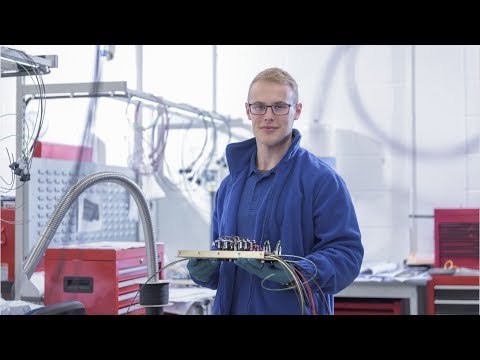
Electrical Engineering TechnologistExplore career pathways, key skills, and what each role has to offer.
How Do You Train for This Career?
Learn about the education and training paths that can lead to this career — and what to expect from each one.

Associate's DegreeAn associate's degree typically provides graduates with foundational knowledge and skills for entry-level jobs in the graduate's industry, or serves as a stepping stone towards further education.
🎓 College
⏱️ Finish in 2-3 years

Vocational SchoolA vocational school typically equips students with specialized skills and practical training in specific trades or occupations, enhancing their employability and providing direct pathways to relevant careers.
🎓 Skills-Focused
⏱️ Finish in 6 months - 2 years

Bachelor's DegreeA bachelor's degree typically results in increased knowledge about a variety of academic subjects, specialized knowledge in a focused field of study, and is considered the foundational qualification for many careers.
🎓 College
⏱️ Finish in 4-5+ years

ApprenticeshipAn apprenticeship typically offers a combination of hands-on training and classroom instruction, leading to practical skills, industry-specific knowledge, and the potential for long-term employment in a specific trade or profession.
🎓 Paid Work
⏱️ Finish in 2-5 years
find training near you
Find local programs, apprenticeships, or degrees to start your path.
Enter your location to see training near you
What Is the Architecture & Engineering Industry?
Architecture & EngineeringThe primary activities of this group involve designing and developing plans, blueprints, and technical specifications for buildings, machines, and other products, as well as testing and evaluating prototypes to ensure they meet required standards and regulations.