
What Electro-Mechanical Technologists DoOperate, test, maintain, or adjust unmanned, automated, servomechanical, or electromechanical equipment. May operate unmanned submarines, aircraft, or other equipment to observe or record visual information at sites such as oil rigs, crop fields, buildings, or for similar infrastructure, deep ocean exploration, or hazardous waste removal. May assist engineers in testing and designing robotics equipment.
- Test performance of electromechanical assemblies, using test instruments such as oscilloscopes, electronic voltmeters, or bridges.
- Install or program computer hardware or machine or instrumentation software in microprocessor-based systems.
- Read blueprints, schematics, diagrams, or technical orders to determine methods and sequences of assembly.
- Modify, maintain, or repair electrical, electronic, or mechanical components, equipment, or systems to ensure proper functioning.
- Inspect parts for surface defects.
Electro-Mechanical Technologists Education, Salary, and GrowthOnly you can decide how much you need to earn — but knowing what it actually costs to live in your area can help. The Family Budget Calculator can guide you.
Minimum EducationAssociate Degree
Career ProspectsShaky (Decreasing by 1-5%)
Training Time1 to 2 years
Job Openings1,300 Annually
Median Earnings
$78,370 in California
$70,760 Nationally
$0
$25K
$50K
$75K
$100K
$125K
$150K
$175K
$200K
$225K
$250K
Is This Career Right For You?
YOU Like
- Thinking and problem solving
- Using data or completing tasks
- Working with my hands
you value
- Having support
- Job security
- Personal relationships
you are skilled in
- Active Listening
- Critical Thinking
- Monitoring
- Quality Control Analysis
- Reading Comprehension
Go Deeper: Electro-Mechanical Technologists Explained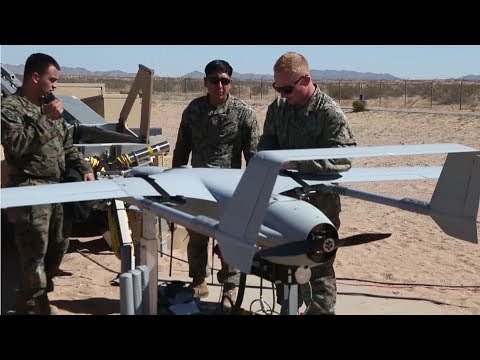
Electro-Mechanical TechnologistExplore career pathways, key skills, and what each role has to offer.
How Do You Train for This Career?
Learn about the education and training paths that can lead to this career — and what to expect from each one.

Associate's DegreeAn associate's degree typically provides graduates with foundational knowledge and skills for entry-level jobs in the graduate's industry, or serves as a stepping stone towards further education.
🎓 College
⏱️ Finish in 2-3 years

Vocational SchoolA vocational school typically equips students with specialized skills and practical training in specific trades or occupations, enhancing their employability and providing direct pathways to relevant careers.
🎓 Skills-Focused
⏱️ Finish in 6 months - 2 years

Bachelor's DegreeA bachelor's degree typically results in increased knowledge about a variety of academic subjects, specialized knowledge in a focused field of study, and is considered the foundational qualification for many careers.
🎓 College
⏱️ Finish in 4-5+ years

Workforce Development ProgramA workforce development program typically enhances participants' opportunities to succeed in the workforce through employment skill-building, career counseling, connections to employers, and pathways to high-demand and high-wage jobs.
🎓 Skills-Focused
⏱️ Finish in 6 months - 2 years
find training near you
Find local programs, apprenticeships, or degrees to start your path.
Enter your location to see training near you
What Is the Architecture & Engineering Industry?
Architecture & EngineeringThe primary activities of this group involve designing and developing plans, blueprints, and technical specifications for buildings, machines, and other products, as well as testing and evaluating prototypes to ensure they meet required standards and regulations.