
What Photonics Technicians DoBuild, install, test, or maintain optical or fiber optic equipment, such as lasers, lenses, or mirrors, using spectrometers, interferometers, or related equipment.
- Maintain clean working environments, according to clean room standards.
- Compute or record photonic test data.
- Adjust or maintain equipment, such as lasers, laser systems, microscopes, oscilloscopes, pulse generators, power meters, beam analyzers, or energy measurement devices.
- Set up or operate assembly or processing equipment, such as lasers, cameras, die bonders, wire bonders, dispensers, reflow ovens, soldering irons, die shears, wire pull testers, temperature or humidity chambers, or optical spectrum analyzers.
- Document procedures, such as calibration of optical or fiber optic equipment.
Photonics Technicians Education, Salary, and GrowthOnly you can decide how much you need to earn — but knowing what it actually costs to live in your area can help. The Family Budget Calculator can guide you.
Minimum EducationAssociate Degree
Career ProspectsGood (Increasing by 1-5%)
Training Time1 to 2 years
Job Openings5,700 Annually
Median Earnings
$83,350 in California
$77,390 Nationally
$0
$25K
$50K
$75K
$100K
$125K
$150K
$175K
$200K
$225K
$250K
Is This Career Right For You?
YOU Like
- Thinking and problem solving
- Using data or completing tasks
- Working with my hands
you value
- Accomplishing things
- Having support
- Personal relationships
you are skilled in
- Active Listening
- Complex Problem Solving
- Critical Thinking
- Speaking
- Judgment and Decision Making
- Reading Comprehension
Go Deeper: Photonics Technicians Explained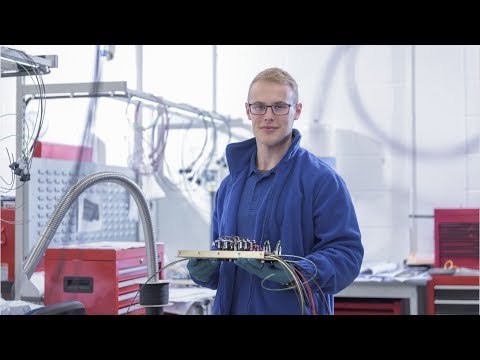
Photonics TechnicianExplore career pathways, key skills, and what each role has to offer.
How Do You Train for This Career?
Learn about the education and training paths that can lead to this career — and what to expect from each one.

Vocational SchoolA vocational school typically equips students with specialized skills and practical training in specific trades or occupations, enhancing their employability and providing direct pathways to relevant careers.
🎓 Skills-Focused
⏱️ Finish in 6 months - 2 years

Workforce Development ProgramA workforce development program typically enhances participants' opportunities to succeed in the workforce through employment skill-building, career counseling, connections to employers, and pathways to high-demand and high-wage jobs.
🎓 Skills-Focused
⏱️ Finish in 6 months - 2 years

ApprenticeshipAn apprenticeship typically offers a combination of hands-on training and classroom instruction, leading to practical skills, industry-specific knowledge, and the potential for long-term employment in a specific trade or profession.
🎓 Paid Work
⏱️ Finish in 2-5 years

Associate's DegreeAn associate's degree typically provides graduates with foundational knowledge and skills for entry-level jobs in the graduate's industry, or serves as a stepping stone towards further education.
🎓 College
⏱️ Finish in 2-3 years
find training near you
Find local programs, apprenticeships, or degrees to start your path.
Enter your location to see training near you
What Is the Architecture & Engineering Industry?
Architecture & EngineeringThe primary activities of this group involve designing and developing plans, blueprints, and technical specifications for buildings, machines, and other products, as well as testing and evaluating prototypes to ensure they meet required standards and regulations.